
Key Takeaways:
- Memory care is a type of senior living built for people with Alzheimer’s disease or another form of dementia. It combines a private apartment, meals and daily help with staff trained in dementia care and a more structured, secure setting than standard assisted living.
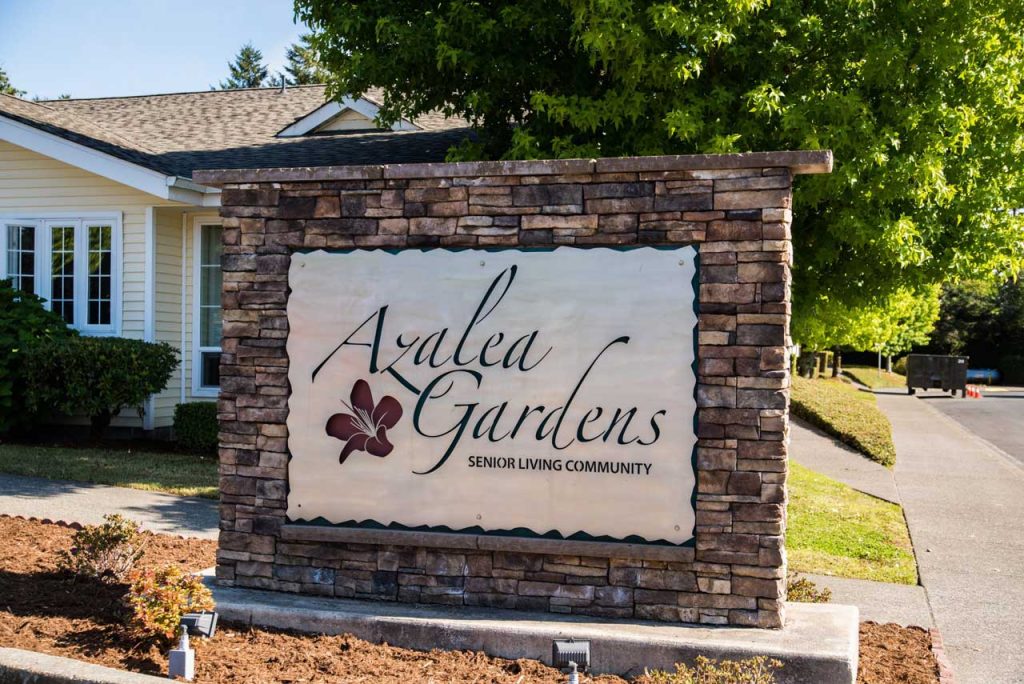
- If you are searching “memory care near me” from Brookings, Harbor or the Curry County coast, Azalea Gardens at 755 Elk Drive in Brookings offers both memory care and assisted living in one community, plus respite and hospice support.
- It may be time for memory care when safety at home becomes a daily worry: wandering, missed medications, weight loss, or a caregiver who is running on empty.
- On a tour, ask about dementia training, overnight staffing, nurse oversight, how care plans are updated, and what a typical day looks like for residents.
- Azalea Gardens does not publish its rates online. Call the Tours & Sales line at (541) 920-1643 for a personalized quote.
Watching a parent or loved one experience memory loss can be overwhelming. You may notice small changes at first, like repeated questions, forgotten routines, or confusion in familiar surroundings. Over time, concerns about their safety and well-being can become harder to manage alone. If you are searching for memory care near Brookings, Oregon, you may be wondering how to provide the right support while preserving your loved one’s dignity and independence. Finding the right community is about more than care. It is about helping your loved one feel safe and supported. So, in this guide, we will help your family explore options confidently.
|
Short answer: Finding quality memory care near Brookings, Oregon, starts with understanding your loved one’s specific needs and touring licensed local communities. Settings like Azalea Gardens offer 24/7 specialized staff support, structured daily routines, and continuous care that adapts as cognitive needs change. Staying local allows family members to visit easily and helps residents remain |
What is memory care, and who is it for?
The Alzheimer’s Association describes these settings as special care units for people with dementia, and it suggests families ask each community specifically what dementia training and services it provides. That advice matters, because “memory care” isn’t a single standard product. Programs vary a lot from one building to the next.
Memory care tends to fit people who:
- Have a diagnosis of Alzheimer’s disease, vascular dementia, Lewy body dementia, or another cognitive disorder
- Get confused about time and place, or have started to wander
- Need regular cueing or hands-on help with bathing, dressing, eating, or using the toilet
- Show behavior changes such as agitation late in the day, suspicion, or repeated questions
- Can no longer manage medications safely, even with a pill organizer
If your loved one is only showing early warning signs and hasn’t been evaluated yet, start with their doctor. Our article on the 10 warning signs of dementia is a good checklist to bring to that appointment.
How memory care differs from assisted living
The table below compares the two on the points families ask us about most:
|
What you’re comparing |
Assisted living |
Memory care
|
|---|---|---|
|
Who it serves |
Seniors who need daily help but don’t have significant memory loss |
Seniors with Alzheimer’s or another dementia |
|
Daily routine |
Flexible; residents plan much of their own day |
Structured, predictable routine that reduces confusion |
|
Staff focus |
Help with daily tasks and medications |
Same help, plus redirection, cueing and dementia-informed communication |
|
Setting |
Open community with private apartments |
More structured and secure setting |
|
Activities |
Social outings, classes, events |
Programs built to engage memory, senses, creativity and movement |
|
Care planning |
Personal care plan, updated as needs change |
Personal care plan with routine assessments and family input |
Because Azalea Gardens offers both levels under one roof, a resident who starts in assisted living doesn’t automatically have to leave town if memory needs grow. That continuity matters a lot to couples and to adults who live nearby. For a broader comparison that also covers independent living.
Signs it may be time to look at memory care
There’s rarely one clear moment when it comes to looking after senior loved ones with a memory-related disorder. Most families describe a slow pile-up of close calls until one event (a fall, a stove left on, a call from a neighbor) forces the conversation. If several of the signs below sound familiar, it’s reasonable to start touring now, before a crisis picks the timeline for you.
- Your loved one has wandered outside, gotten lost driving to a familiar store, or left doors unlocked or burners on.
- Medications are being missed or doubled, or you find pills days later.
- You notice weight loss, spoiled food in the fridge or the same clothes worn for days.
- They’ve stopped going to church, clubs or calling friends because conversation has become hard.
- Restlessness, anxiety or confusion gets worse in the late afternoon and evening (often called sundowning).
- The family member providing care is losing sleep, missing work or getting sick themselves.
The last sign deserves attention. A burned-out caregiver is a safety risk too, and it’s not a personal failure. Some families try a short respite stay first, which gives the caregiver real rest and lets the loved one experience community life without a permanent decision. Our guide to respite care for caregivers and families explains how that works.
How to Find the Right Memory Care Community Near Brookings?
The best first step is to make a short list of licensed communities within an easy drive of the people who will visit most, then tour each one in person. For many families in Brookings and Harbor, that means looking close to home along Highway 101 rather than heading inland. Families from Gold Beach to the north, or from Smith River and Crescent City just over the California line, often consider Brookings for the same reason: it keeps visits short.
Before you tour, check each community’s licensing history. The Oregon Department of Human Services runs a public Licensed Long-Term Care Settings Search where you can look up assisted living, residential care and memory care settings and read inspection reports and any substantiated violations. It takes ten minutes and it’s worth doing.
Then plan your visits:
- Go at more than one time of day if you can, including a mealtime.
- Bring the person who knows your loved one’s routines best.
- Write down your senior loved one’s needs before you arrive (mobility, diet, sleep habits, triggers for anxiety) so you can ask about each one.
- Use a checklist so every community gets the same questions.
Azalea Gardens publishes a free tour checklist covering staff interactions, cleanliness, dining, after-hours support, staff credentials and the most recent state survey. You can use it at any community you visit, including ours.
What memory care at Azalea Gardens includes
Memory care at Azalea Gardens is person-centered care for residents with Alzheimer’s or related dementias, built around each resident’s history and interests. It covers social, psychological, spiritual and physical well-being, not only physical tasks.
Here is what that looks like day to day, based on the services our community offers:
- Care staff on site 24 hours a day, with specialized dementia training
- Registered nurse oversight of care
- Help with daily activities such as bathing, dressing and grooming
- Medication management
- Life Engagement programs designed around each resident’s specific interests, with daily activities that work on cognitive, sensory, creative and motor skills
- Chef-prepared meals with seasonal menus and local produce
- Weekly housekeeping and laundry, plus utilities
- Transportation to medical appointments
- Garden courtyards and walking paths for time outdoors
- Private studio and one-bedroom apartments
- An emergency response system
How care plans are built
Before move-in, our team evaluates each new resident together with the resident, the family and their physicians. That assessment becomes a Personal Plan of Care. We hold regular family care conferences and run routine assessments, so the plan changes when your loved one’s needs change instead of staying fixed to what was true on day one.
What a day can look like
A good memory care day has a steady rhythm, with predictable mealtimes and a mix of quiet and active time. Our monthly life enrichment calendar includes exercise classes, arts and crafts, games, live music, gardening and local outings, and the team adjusts how each resident takes part based on their abilities that day.
Hospice and changing needs
Azalea Gardens is committed to supporting residents and their families as care needs evolve. Residents can receive comfort focused care in familiar surroundings, with the support of staff they know and trust. This approach helps families focus on meaningful moments together while their loved ones continue receiving compassionate, personalized support. During your visit, our team can explain the available options and help you explore what may be right for your family.
How Families Plan for the Cost of Memory Care
What you pay for memory care depends on the level of care your loved one needs, the apartment type and the services included in the monthly rate. There is no fixed cost for memory care because each resident’s care plan is different, so the most accurate number comes from a personal conversation with our team.
When you compare communities, ask each one the same questions:
- What’s included in the monthly rate, and what costs extra?
- How is the care level set, and how often is it reassessed?
- What happens to the rate if care needs increase?
- Are there one-time fees at move-in?
- Which payment sources do you accept?
At Azalea Gardens, the services listed on our website include utilities, weekly housekeeping and laundry, meals, activities, transportation and 24-hour emergency assistance. Our team can walk you through exactly what applies to your loved one.
On payment, it helps to know one thing up front. The Alzheimer’s Association notes that Medicare generally does not cover long-term residential care, and that most families pay privately, sometimes with help from long-term care insurance, veterans’ benefits or Medicaid. Coverage rules are specific to each person and each community, so ask directly which options we accept, and consider speaking with an elder law attorney if Medicaid may be part of your long-term plan.
Questions to ask on a memory care tour
The questions below cover the things that are hard to judge from a website. Ask them at every community on your list and write down the answers.
- How much dementia-specific training does your care staff receive, and how often is it refreshed?
- Who is on duty overnight, and how quickly do they respond to a call?
- How often is a nurse involved in my loved one’s care?
- How do you handle agitation or sundowning without relying on medication alone?
- How do you keep residents who wander safe?
- How do you include families in care planning, and how will you tell me about changes?
- Can my loved one bring familiar furniture and photos?
- What would cause a resident to need a different care setting?
- May I see your most recent state survey?
Watch as well as listen. Are residents engaged, or mostly sitting in front of a TV? Do staff talk to them at eye level and use their names? Small things like that show how the place runs on an ordinary Tuesday.
Why staying local in Brookings matters
Choosing memory care in Brookings means your loved one can stay connected to the coastal community they know and love. Familiar faces from church, the neighborhood, and local shops can continue visiting, while established relationships with doctors may remain part of their care. Staying close to home can also help make the transition feel more comfortable and familiar.
For adult children and family members, living nearby makes it easier to visit after work, share a weekend lunch, or spend meaningful time together regularly. These simple moments help maintain strong family connections and remind your loved one that they are always surrounded by care, love, and support.
Visit Azalea Gardens in Brookings
Choosing memory care is a big decision, and you don’t have to make it after one phone call. Come see the community, meet the team and ask every question on your list.
Azalea Gardens Assisted Living & Memory Care
755 Elk Drive, Brookings, OR 97415
Tours & Sales: (541) 920-1643
Community line: (541) 469-7182
Email: azaleainfo@agingways.com
Schedule your tour today and see what memory care on the Oregon coast can look like for senior loved one.
Frequently Asked Questions
What is the difference between memory care and a nursing home?
Memory care focuses on daily living support, safety, and engagement for people with dementia in a residential setting. A nursing home provides around-the-clock skilled medical care for people with complex health needs. Most memory care residents don’t need the level of medical care a nursing home provides.
Is there memory care in Brookings, Oregon?
Yes. Azalea Gardens at 755 Elk Drive in Brookings offers memory care alongside assisted living, respite care, and hospice support. Families from Harbor, Gold Beach, and nearby northern California communities are welcome to tour.
Does Medicare pay for memory care?
According to the Alzheimer’s Association, Medicare generally does not cover long-term residential care such as memory care. Long-term care insurance, veterans’ benefits, or Medicaid may help some families. Ask each community which payment sources it accepts.
How do I know if my parent needs memory care or assisted living?
Assisted living fits people who need daily help but don’t have significant memory loss. Memory care fits people whose dementia causes safety concerns, confusion, or wandering, or who need frequent cueing and supervision. A care assessment with the community and your parent’s doctor can help you decide.
Can we try a short stay before moving in permanently?
Many families start with respite care, a short-term stay that gives the caregiver a break. It also lets your loved one get used to the community’s routines and staff. Call Azalea Gardens to ask about respite availability.
How much does memory care cost at Azalea Gardens?
Rates depend on your loved one’s care needs and apartment choice, so Azalea Gardens provides personalized quotes rather than publishing prices online. Call the Tours & Sales line at (541) 920-1643 to talk through options.